01 / STOP THE SOURCE · EXTRACT · PROVE DRY
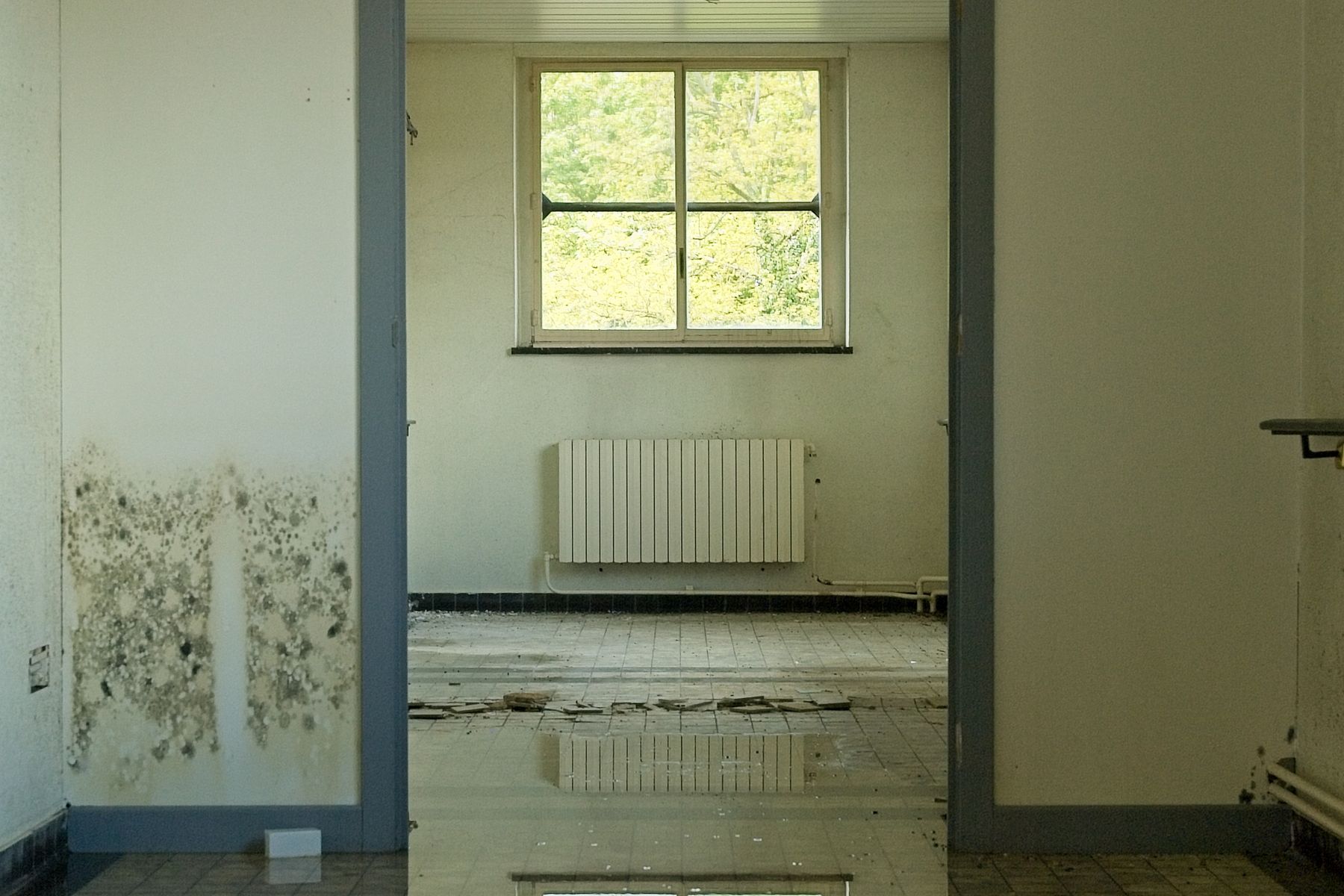
Water & sewage response
Emergency extraction, controlled demolition, structural drying and a room-by-room moisture record for homes and occupied buildings.
Open this response path ↗ RESOLVEGRIDPROPERTY RECOVERY / ONTARIO
REPORT DAMAGE↗

ResolveGrid organizes safety, stabilization, moisture or smoke evidence, contents, insurer documentation and reconstruction without turning uncertainty into a sales claim.
Start with the observed condition, not a pre-selected repair. Each path links emergency actions, evidence, contents and the handoff to permanent work.
Emergency extraction, controlled demolition, structural drying and a room-by-room moisture record for homes and occupied buildings.
Open this response path ↗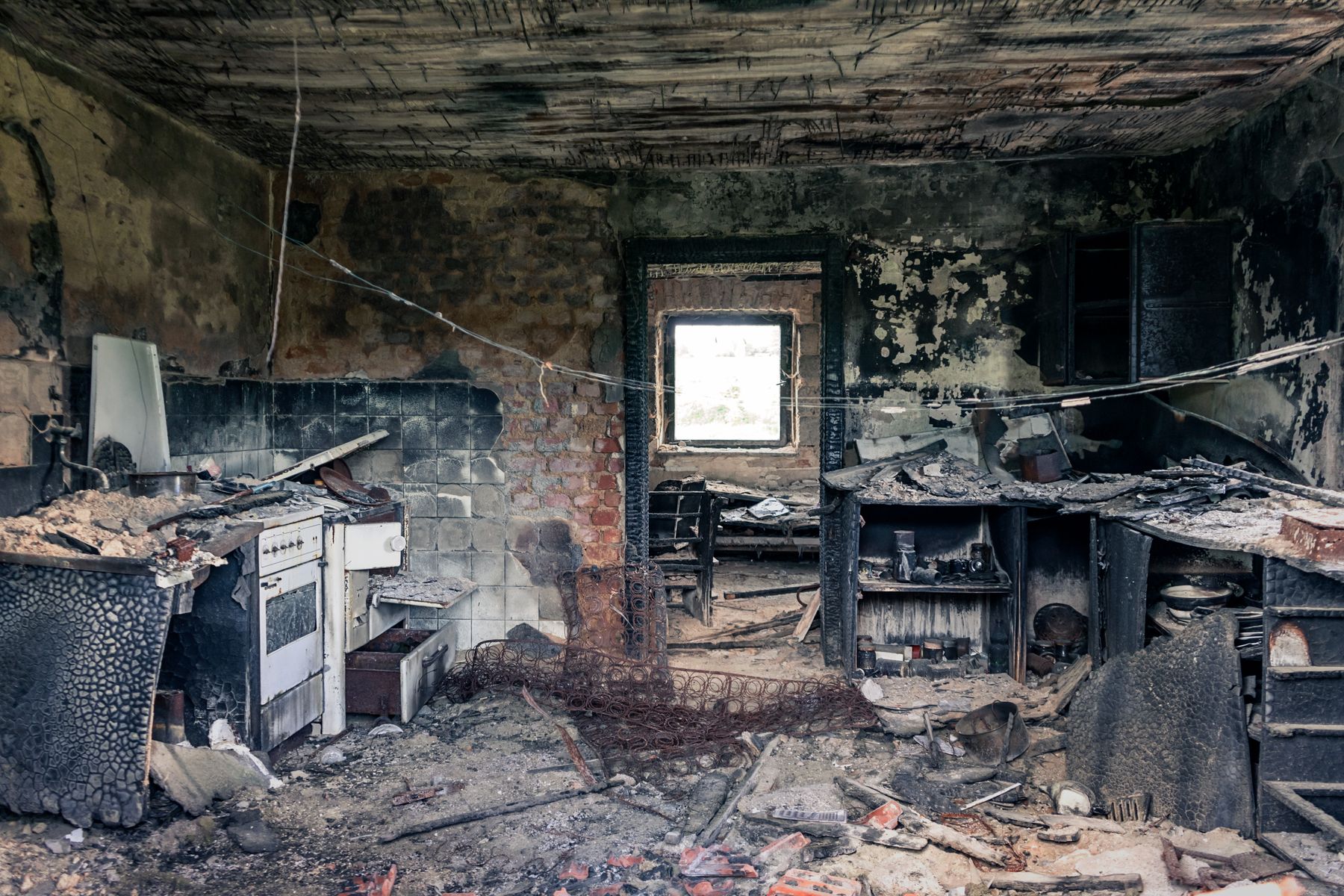
Secure the property, map smoke migration, clean salvageable assemblies and coordinate contents before reconstruction begins.
Open this response path ↗
Source-focused containment, removal and post-work verification pathways for mould, sewage, odour and sensitive indoor environments.
Open this response path ↗
Temporary protection, debris planning, roof and envelope assessment, drying and phased repair after wind, rain, ice or tree impact.
Open this response path ↗
Loss control for offices, retail, hospitality, industrial sites and institutions with safe zones, shift plans and stakeholder reporting.
Open this response path ↗
A traceable handoff from emergency mitigation to contents, estimate, insurer documentation, reconstruction and final closeout.
Open this response path ↗The next phase opens only when its safety, authority or evidence requirement is visible.
Inspect the full response standard →Emergency authority, hazards and access.
Water, weather or contamination pathway controlled.
Rooms, materials, contents and reference zones.
Actions, limits and decision owner confirmed.
Conditions tracked against defined goals.
Stable scope handed to permanent repair.
Proof, warranties and outstanding items indexed.

ResolveGrid connects the intake, affected rooms, readings, contents, scope, approvals and closeout. The record tells an owner what was observed and what changed; it never pretends to decide insurance coverage.
Rapid source control, standing-water removal and a documented stabilization plan. ResolveGrid connects the hazard screen, incident map, authorization, monitoring and closeout record.
OPEN SERVICE → RG/02A zone-by-zone plan for flooded basements, finished lower levels and hidden cavities. ResolveGrid connects the hazard screen, incident map, authorization, monitoring and closeout record.
OPEN SERVICE → RG/03Controlled access, contaminated-water removal, cleaning and disposal documentation. ResolveGrid connects the hazard screen, incident map, authorization, monitoring and closeout record.
OPEN SERVICE → RG/04Emergency extraction, cavity checks and drying after frozen or failed plumbing. ResolveGrid connects the hazard screen, incident map, authorization, monitoring and closeout record.
OPEN SERVICE → RG/05Board-up, loss zoning, debris strategy, cleaning and a clear route to rebuild. ResolveGrid connects the hazard screen, incident map, authorization, monitoring and closeout record.
OPEN SERVICE → RG/06Surface testing, cleaning trials and material-specific soot removal without guesswork. ResolveGrid connects the hazard screen, incident map, authorization, monitoring and closeout record.
OPEN SERVICE →Critical functions, occupants, utilities, vendors and communication roles sit beside the restoration schedule. Safe areas can reopen only when their conditions and restrictions are recorded.
Build a continuity-led response ↗Eight linked modules show how observation becomes authorization, work, verification and a usable closeout record.
A useful response to property restoration in Ontario begins by separating life safety from property work. Occupants should not enter an unsafe structure, touch contaminated water, operate damaged electrical equipment or interfere with an active fire scene. ResolveGrid records who has authority over the site, whether emergency services or a utility still controls access, whether the source has stopped and which spaces remain occupied. The first site sketch marks safe, restricted and unknown zones. It also records weather, access, vulnerable occupants, pets, valuable contents and any immediate business-continuity need. This is not paperwork added after the work; it prevents a fast response from becoming an uncontrolled one.
The incident brief names the decision that is needed next and the information still missing. For Ontario property owners and managers, that may mean authorizing extraction, approving temporary enclosure, arranging an environmental review or simply waiting for the competent authority to release the property. Unclear scope, missing authority and undocumented hidden conditions is treated as a condition to investigate, not a dramatic label.
Visible damage is only the front edge of a property loss. Water can move under flooring, smoke can travel through pressure paths, and debris can conceal assemblies that remain serviceable. The loss map for property restoration company Ontario divides the property by room, level, material and pathway. Each observation receives a time, location and source: a photograph, meter reading, occupant report, drawing or direct inspection. Dry and unaffected reference areas are recorded alongside damaged areas so later readings have context. Where an inspection cannot answer a question without opening an assembly, the map marks the question and the authorization required rather than pretending the answer is known.
This map supports a more disciplined estimate. Quantities can be traced to rooms; removal decisions can be explained; equipment can be located against a specific goal. The result remains editable as hidden conditions are discovered, but every change leaves a reason and a version.
Emergency work should have a finish line that can be understood before permanent repairs begin. Depending on the incident, stabilization may mean stopping free water, isolating contaminated materials, securing an opening, reducing humidity, protecting contents or establishing safe access. ResolveGrid connects every action to a stated objective, a responsible role and a verification method. Each action is connected to a room, purpose, authorization and evidence requirement. The equipment or temporary measure is not presented as proof by itself. A dehumidifier running in a hallway does not show that a wall cavity is dry, and a tarp on a roof does not confirm that drainage, wind exposure and interior water paths have been addressed.
Daily notes record what changed, what did not, and which condition could alter the plan. When a temporary action becomes unsafe, ineffective or no longer required, the record shows who reviewed it and what replaced it. That makes the transition from response to recovery visible.
Removal is a technical and economic decision, not the automatic definition of restoration. Materials are considered against contamination, saturation, dimensional change, surface condition, accessibility, drying potential, cleaning trials and the needs of the permanent repair. The decision register for property restoration in Ontario separates items that can remain, items that need a controlled test, items that require specialist input and items that cannot be reasonably restored. Contents receive the same discipline through an inventory that links condition, location, movement and disposition. No value, coverage decision or sentimental importance is inferred by a photograph alone.
Before expanding demolition or disposal, the affected scope is compared with the authorization and any safety requirement. If a hidden condition changes quantity, method, cost or timing, a change record explains the observation and options. This protects the owner from discovering that a large decision was buried inside a daily work note.
Monitoring should answer whether the building condition is moving toward an agreed goal. ResolveGrid records atmospheric conditions, material readings and control-area references in consistent locations wherever they are relevant. The log explains the instrument, scale, location and limitation so that a number is not detached from the surface or assembly it represents. Readings and observations are tied to repeatable locations and stated limits. Trends matter more than a single favourable reading. A material may dry unevenly, access may be limited, or outdoor conditions may change the rate of progress. These factors are noted rather than hidden behind an estimated completion date.
Equipment settings and placement can then be adjusted with a reason. The monitoring record also identifies when further investigation, destructive access or a different specialist is required. A release decision states which criteria were used and which inaccessible areas, if any, remain outside the conclusion.
A restoration company documents damage and work; it does not decide policy coverage. The ResolveGrid loss ledger links dated photos, room sheets, measurements, inventory, equipment, labour notes, estimates, authorizations and changes. It distinguishes what was observed from what an occupant reported, what was performed from what is proposed, and emergency mitigation from permanent reconstruction. That separation makes the file easier for an owner, manager, adjuster or consultant to review without turning site language into an unsupported insurance promise.
Invoices and estimates identify the scope, units and assumptions that produced a total in Canadian dollars. Taxes, subcontracted work, emergency premiums, storage and reconstruction are not blended into a vague package. If an insurer requests more information, the response points back to the same evidence chain. Coverage, deductibles and settlement remain decisions between the policyholder and insurer.
Reconstruction should not conceal an unresolved source, moisture condition, contamination concern or ownership decision. Before rebuild, the handoff confirms the stabilized area, the materials released to remain, the removal limits, required inspections, design selections and known exclusions. The released scope, exclusions and outstanding items are signed off before permanent work. The repair scope also describes interfaces—flooring to cabinets, roof covering to flashing, drywall to fire separation, finishes to remaining materials—because the small boundaries often create the largest disputes. A room-by-room sequence helps occupants and building operators understand access, noise, dust and temporary service changes.
Selections and substitutions are written before installation. Where code, permit, engineering or environmental advice is required, that role is identified instead of implied. Progress photographs support the record but do not replace required inspections. The aim is a rebuild that can be traced back to the released loss scope.
Completion is more than a final photograph. The closeout for property restoration in Ontario gathers the incident summary, authorizations, loss map, monitoring record, contents status, change log, invoices, warranties, care instructions and outstanding items. The walkthrough distinguishes restoration work from unrelated pre-existing conditions and records any limitation that could not be resolved within the authorized scope. Owners receive a concise index rather than a folder of unexplained images. Property managers can see which spaces reopened, which keys or access controls changed and which future review dates remain.
ResolveGrid also asks whether the event revealed a preventable vulnerability: a missing shutoff label, poor drainage, an unprotected opening, incomplete emergency contacts or a continuity plan that failed under pressure. These observations are recommendations, not guarantees against another loss. They turn a stressful response into a property record that remains useful after the equipment and crews leave.
Incident type, hazards, safe access, weather and current capability determine whether a dispatch can be accepted.
Dense housing, high-rise access, traffic and occupied losses require an address-specific dispatch and building contact.
Escarpment weather, older housing, finished basements and commercial corridors shape the response route.
Storm, lake-effect weather, seasonal properties and hospitality operations need locally confirmed capacity.
Multi-unit, technology, institutional and industrial properties benefit from continuity-led loss zoning.
Travel conditions, winter incidents and mixed residential-commercial property types are confirmed at intake.
Snow, ice, wind and seasonal access can change temporary enclosure and dispatch requirements.
Large weather events, bilingual stakeholders and institutional sites require a clearly assigned communication lead.
An Ontario field guide that separates immediate safety, observed damage, restoration scope, insurance roles and the next useful record.
READ FIELD GUIDE →02 / 12 MINAn Ontario field guide that separates immediate safety, observed damage, restoration scope, insurance roles and the next useful record.
READ FIELD GUIDE →03 / 12 MINAn Ontario field guide that separates immediate safety, observed damage, restoration scope, insurance roles and the next useful record.
READ FIELD GUIDE →04 / 12 MINAn Ontario field guide that separates immediate safety, observed damage, restoration scope, insurance roles and the next useful record.
READ FIELD GUIDE →For immediate danger, call 911. For property damage, send the address, incident, hazards, affected areas and safe-access details.
Start the incident brief RG↗